Why calls from the search results page can miss the CRM
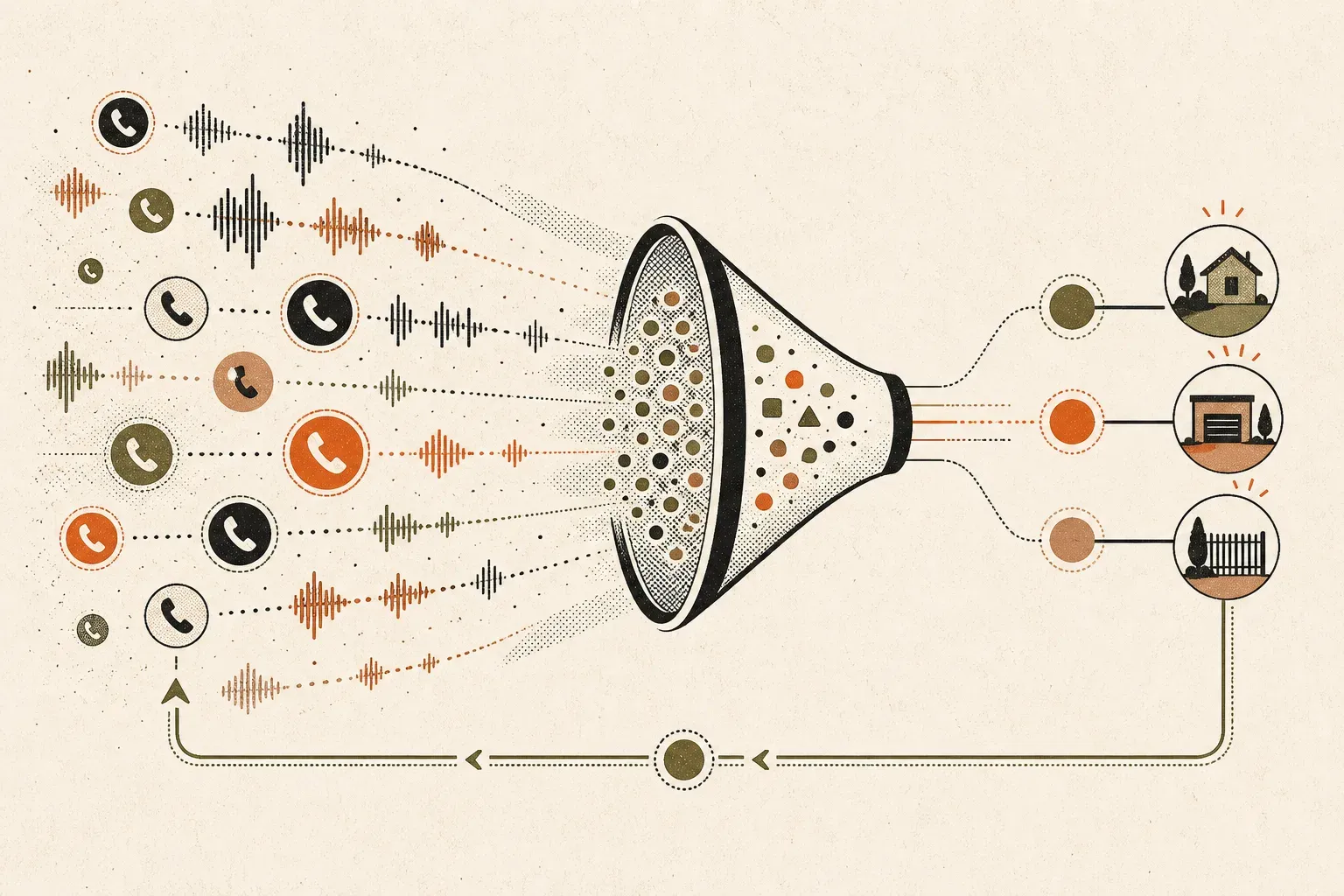
Search "emergency locksmith" on a phone. There is a call button on the ad. Tap it and the call connects. No website loaded, no page viewed, no tag fired.
For a locksmith, a windscreen fitter or a plumber, that call can be the business. In several accounts we manage, calls made from ads are among the largest conversion sources. Tracking that lives only on the website cannot see a call that never reached it.
What Google gives you
Google does count these calls, through call reporting. A call lasting longer than the threshold you set, commonly thirty seconds, is recorded as a conversion. That is all it is: a duration. The person booking a £300 replacement and the person asking whether their job is still on for Thursday both count.
There is no quality layer. Nothing goes back to Google saying which calls mattered, so the bidding treats them all as equally desirable and buys more of whatever is cheapest.
What closes the gap
The current setup is a responsive search ad with a call asset. Google removed the option to create new call ads in February 2026, and existing legacy call ads stop receiving impressions in February 2027.
For a supported provider, Google's Call Details Forwarding can pass the click ID for an eligible call that lasts more than fifteen seconds, delivered with campaign and ad-group details in the SIP headers. A call-tracking provider can use that identifier to connect the call with later outcomes.
With the click ID attached, the call can be scored and matched to what happened next. Was it a new enquiry? Did it book? Did it complete? That answer, with a value, goes back to Google as an offline conversion. The machine now learns from calls that became jobs, not calls that lasted thirty seconds.
The Google Business Profile is the other route. CallRail can swap the listing's primary number for a tracking number while keeping the real one as secondary for citation consistency. Those calls carry no click ID, so they stay reporting-only, but for the first time you know how many there are and what they were.
Details that catch people out
Account-level call reporting has to be on. The provider and number must support Call Details Forwarding, and a live test should confirm that the click ID reaches the downstream record. Google's duration-based call conversion can stay as a reporting signal, but it should not be allowed to duplicate the qualified offline outcome as a primary bidding goal. UK tracking numbers can require identity verification, so allow time for onboarding.
Site-side click ID capture is table stakes. Capturing the call that never touched the site is the difference.